Solar Energy in the USA
Solar energy in the United States is not just good for the environment anymore. It’s also a financial decision for many homeowners. In 2026 with electricity costs going up solar technology getting good tax incentives going solar is more attractive than ever. People are still confused. They want to know how much it really costs, if the savings are real and what tax benefits they can get. Lets break it down in a way
What Is Solar Energy and Why It Matters in 2026
energy is electricity made from sunlight using special panels. These panels turn sunlight into power for your home. In 2026 solar energy matters more because electricity rates are going up power outages are happening often in some areas and homeowners want to control their costs. Solar Energy in the USA For people solar energy is not just about being eco-friendly. It’s about saving money on their bills and being independent when it comes to energy.
Solar Panel Costs in the USA (2026)
The first question people ask is about the cost. The answer depends on the size of the system, where you live and the quality of the equipment. Best Solar Panel Installation Solar Energy in the USA Get Full Details
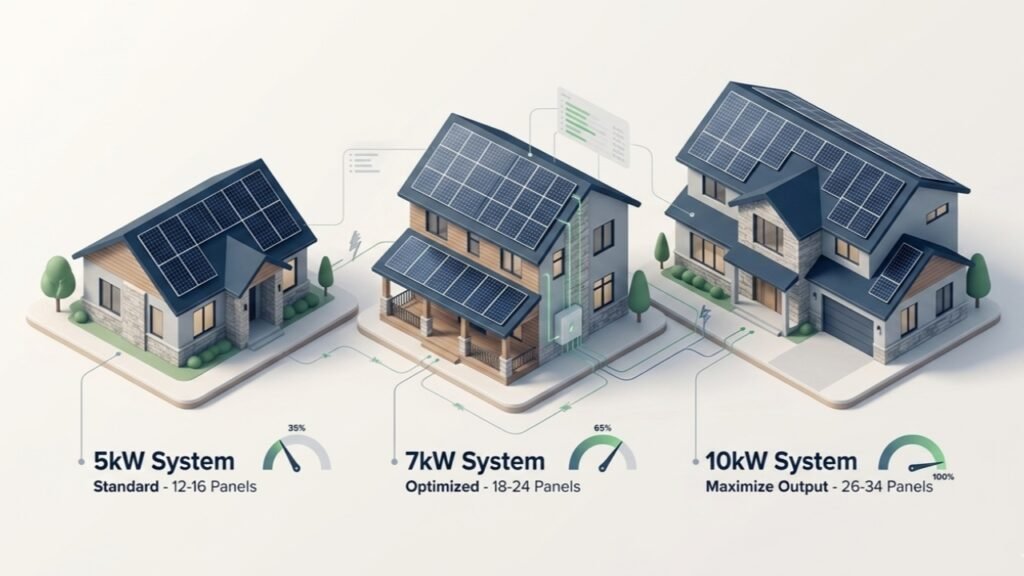
Average Cost by System Size
| System Size | Average Gross Cost | After 30% Federal Credit |
|---|---|---|
| 5 kW | $12,000 – $15,000 | $8,400 – $10,500 |
| 7 kW | $17,000 – $21,000 | $11,900 – $14,700 |
| 10 kW | $24,000 – $30,000 | $16,800 – $21,000 |
What Affects the Cost?
Not all homes pay the price. Several things can change the cost:
Location
Solar installations can cost more in states like California and New York.. In places like Texas and Arizona they can be cheaper because theres more sunlight and more companies installing them. Solar Energy in the USA
Roof Condition and Design
If your roof is simple and faces south it’s ideal for panels.. If your roof is complicated or shaded it can be harder and more expensive to install solar panels.
Equipment Quality
Good panels and inverters last longer. Work better but they cost more upfront.
Installer Pricing
Different companies charge prices. That’s why it’s an idea to compare quotes.
Real-Life Cost Example
Lets say someone is installing a 7 kW system:
installation cost: $18,000
Federal tax credit (30%): $5,400
Final cost: $12,600
If their electricity bill goes down from $150 to $20 per month they can get their money back in about 6 to 8 years. After that they keep saving for decades.
Benefits of Solar Energy
Solar energy offers more than environmental benefits. It also provides financial and lifestyle benefits.
Lower Electricity Bills
This is the reason people switch to solar energy.
You can save $20,000 to $60,000 in the run
You’re protected from rising energy prices
of paying the utility company every month you make your own electricity.
Energy Independence
With panels and especially with battery storage you rely less on the grid. This is valuable in areas with outages or unstable electricity.
Environmental Benefits
Solar energy reduces carbon emissions and our use of fuels. Even a small solar system can lower your households footprint.
Increased Home Value
Homes with systems often sell faster and for more money. Buyers like electricity costs and energy-efficient features. Best Solar Vision Company
Tax Savings and Incentives
Government incentives make solar energy more affordable.
Solar Tax Credits in the USA (2026)

Solar Energy in the USA financial benefits of energy are strongly supported by tax incentives.
Federal Solar Tax Credit (ITC)
In 2026 homeowners can get a 30% federal tax credit on the total cost of their solar system.
This includes:
Solar panels
Inverters
Installation costs
Battery storage systems
Example:
System cost: $20,000
Tax credit: $6,000
cost: $14,000
This directly reduces your tax liability making solar energy more affordable.
Future of the Tax Credit
The 30% federal tax credit is expected to continue until 2032. After that it might decrease.
This means if you wait to install panels you might miss out on some savings.
State-Level Incentives
In addition to incentives many states offer:
Cash rebates
Net metering programs
Property tax exemptions
States like California, New York, New Jersey and Texas are known for their strong solar policies.
Net Metering Explained
Net metering lets homeowners send electricity back to the grid and get credits. During the day your system might make energy than you use. At night you use grid electricity. You can use those credits to offset it.
This can significantly. Even eliminate your electricity bill.
Solar Batteries: Are They Worth It?
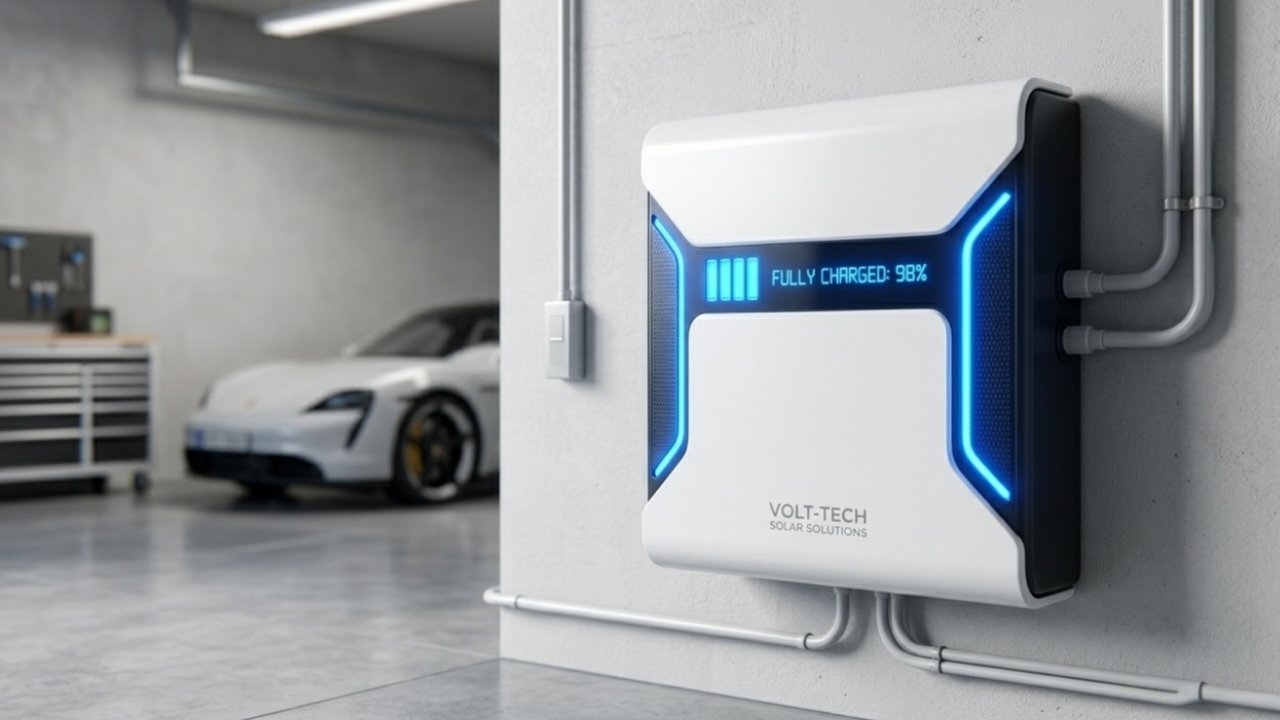
Battery storage is becoming more popular. Its not necessary for everyone.
Battery Costs
* price: $8,000 to $15,000
Eligible for the 30% tax credit
When Batteries Make Sense
You have power outages
Your state has no net metering policies
You want to be independent from the grid
When You Can Skip It
Your grid is stable
Net metering is strong
In cases people start with a grid-tied system and add a battery later if they need it.
Types of Solar Systems
Understanding the types of systems helps you choose the one.
Grid-Tied System
Connected to the utility grid
No battery
Most affordable and common option
Hybrid System
Solar panels + battery + grid connection
Offers power and flexibility
Off-Grid System
Independent of the grid
Expensive and usually used in remote areas
Hidden Costs You Should Know
Solar energy is a great investment but its not entirely free of maintenance.
Maintenance
Cleaning the panels: $100 to $300 per year
Occasional inspections
Inverter Replacement
inverters last 10 to 15 years and might cost $1,000 to $3,000 to replace.
Roof Repairs
If your roof is old or damaged it should be fixed before installation. Removing panels later can be costly. Solar Energy in the USA
Permits and Inspections
These are usually included in the installation quotes. Its a good idea to confirm.
Is Solar Worth It in 2026?
For homeowners the answer is yes but it depends on your situation.
Solar Is Worth It If:
You have electricity bills
You plan to stay in your home for at least 5 years
Your roof gets sunlight
Solar May Not Be Ideal If:
You move often
Your roof is heavily shaded
Your electricity rates are already low
Common Mistakes to Avoid
Choosing the Cheapest Installer
Low prices can sometimes mean poor installation quality. Always check reviews and credentials.
Ignoring Warranties
Look for:
25-year panel warranty
At 10-year inverter warranty
Not Comparing Quotes
Always get multiple quotes before deciding. Prices and service levels can vary significantly.
Overestimating Savings
Some sales pitches exaggerate the benefits. Always verify the numbers independently.
Future of Solar Energy in the USA
The use of energy is expected to grow rapidly.
Key trends include:
More affordable battery storage
Smarter energy management systems
Integration, with vehicles
About The Author